Emergent Craft // Development Status & Core Vision
Syzygy Logic — Systems & Architecture Brief
1. The Design Philosophy: Slow-Burn, Cozy Grindcore
Emergent Craft is intentionally designed as an enduring, permanent online home rather than a flash-in-the-pan sprint to the endgame. We are not building a theme park designed to be burned through in an afternoon.
- Year-Long Horizon: Progression is calibrated around patience, mastery, and consistency. Reaching tier caps or mastering an end-game craft is built to take months—or a full year—of steady play.
- Material Relevance: Early and mid-tier materials maintain sustained economic and practical purpose. Stone tools, copper ingots, and basic timber are balanced to remain critical survival and crafting components across weeks of gameplay rather than being discarded in an hour.
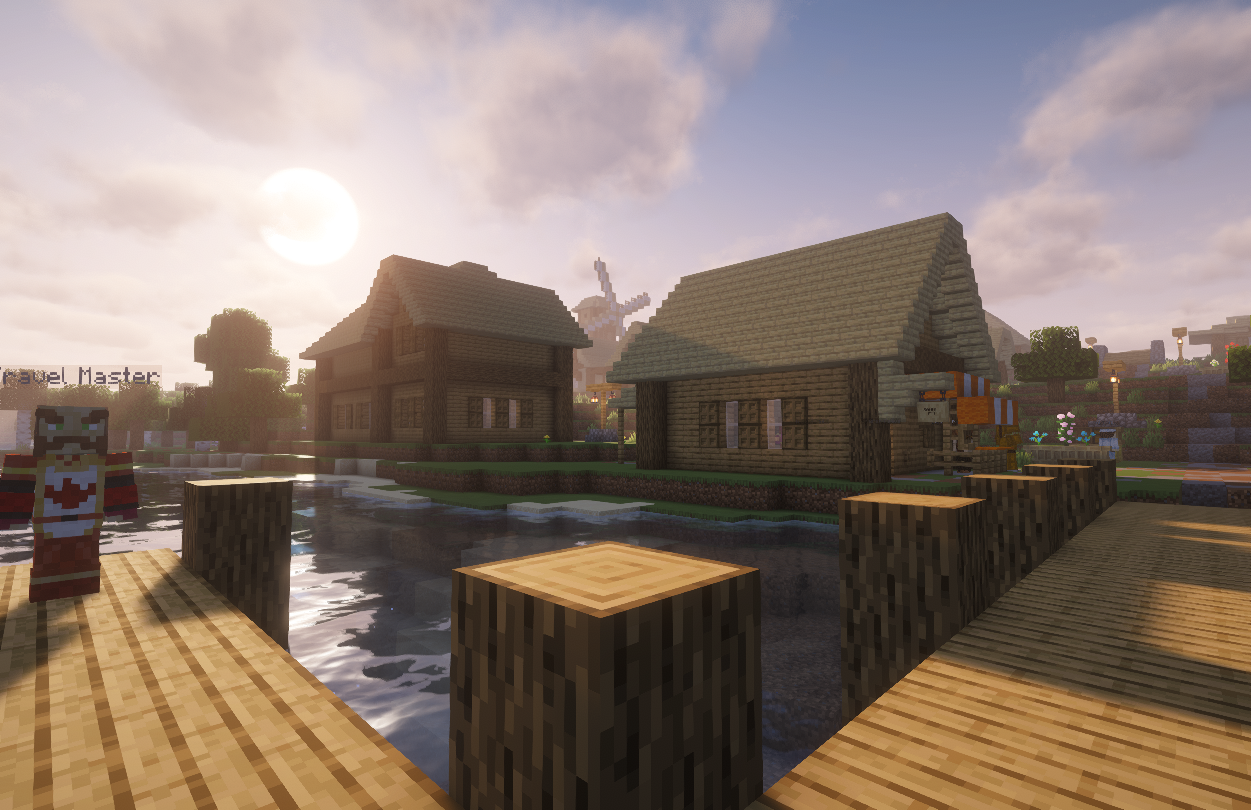
- Atmospheric Community: Grounded in old-school virtual world design—a cozy, quiet tavern counter or town square where players sit by a hearth, trade regional resources, converse, and decompress.
2. Dynamic NPC Interaction & Narrative Engines
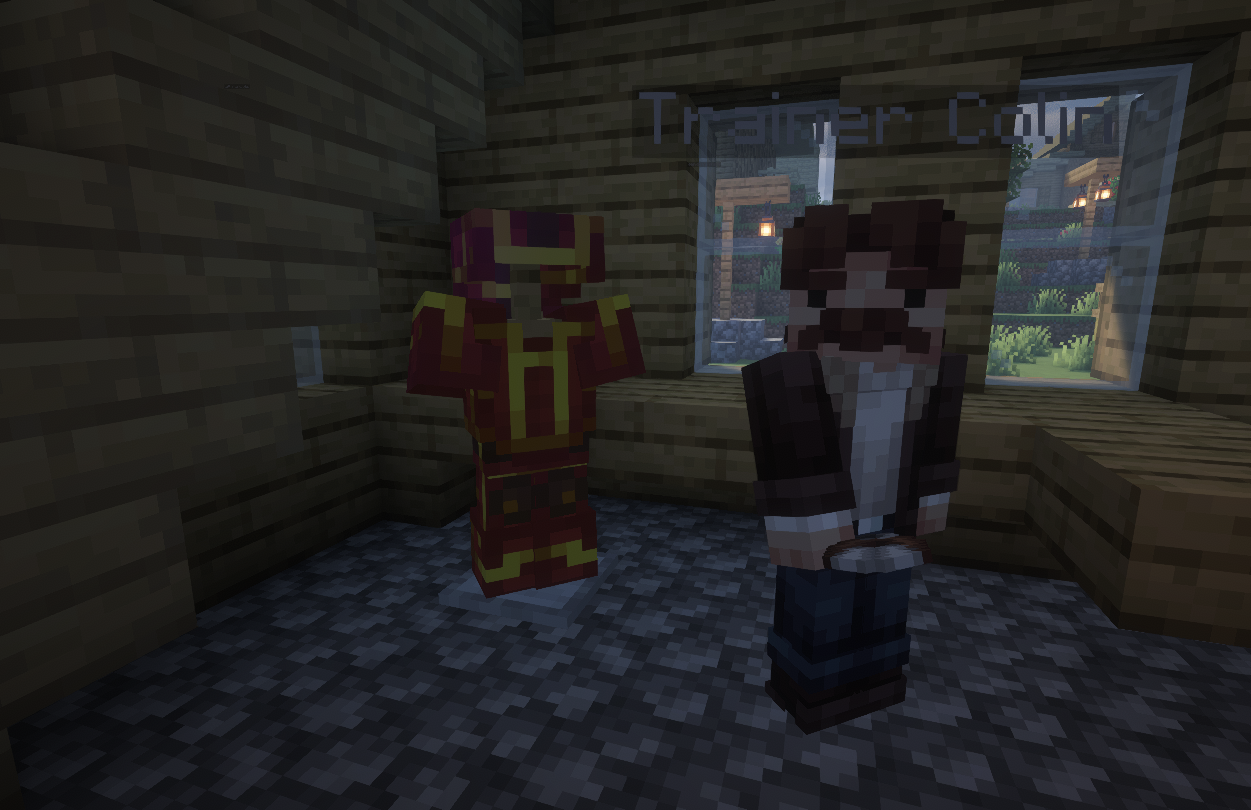
Conversations in Emergent Craft discard rigid, repetitive dialogue trees in favor of direct, contextual chat communication.
- Sentiment & Subjectivity Analysis: NPCs evaluate natural language player inputs using real-time polarity and subjectivity scoring. How you phrase a request, question, or grievance directly shifts an NPC's demeanor, disposition, and willingness to trade or assist.
- Gossip & Phenotypic Memory: Townsfolk pass information, local rumors, and behavioral reputations through a decoupled rumor-propagation script. Your standing ripples across settlement borders.
- Living Settlement Progression: Structured across three core tiered settlements—from the starting hamlets of Fardsniven, through fortified midway trading posts like Wall, up to the arcane stone urban core of Kairos.
3. Gathering Loops & Contraband Economy
A robust, interconnected 7-profession engine drives every equipment upgrade, consumable, and base reinforcement.
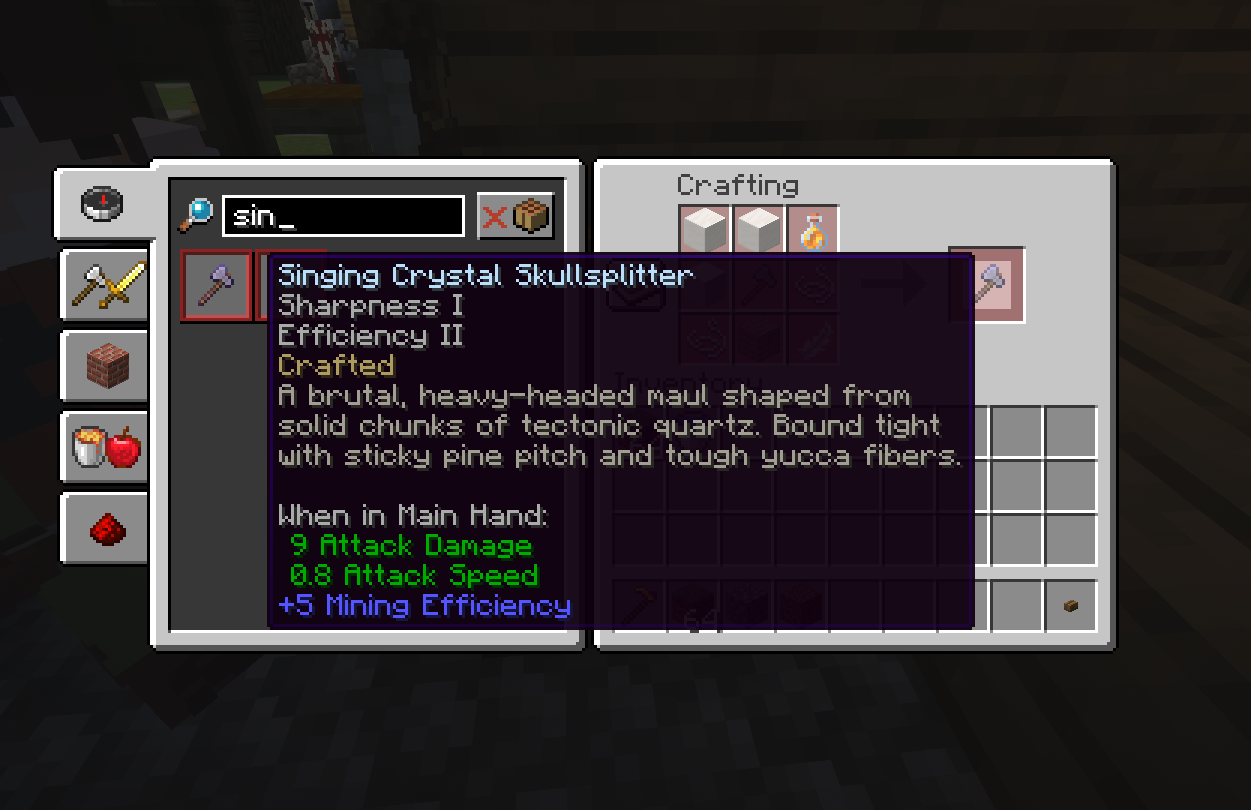
- 100+ Custom Reagents & Flavor Drops: Over a hundred distinct mob drops, regional herbs, stone strata, and custom trims feed modular crafting tables utilizing custom base, reagent, and catalyst matrices.
- Hard Gating & Meaningful Scarcity: Gathering experience and tier unlocks (such as iron, gold, and redstone) demand genuine dedication in the field. Smelting and smithing are bound to local fuel availability and strict town tax checkpoints.
- Contraband & Regional Logistics: Town protection upkeep, community coffers, and regional trade routes incentivize both legitimate supply convoys and high-risk black-market smuggling runs through wilderness checkpoints.
4. Encounters, Tactical Combat & Companion AI
World exploration transitions from tranquil gathering to demanding, high-stakes tactical combat.
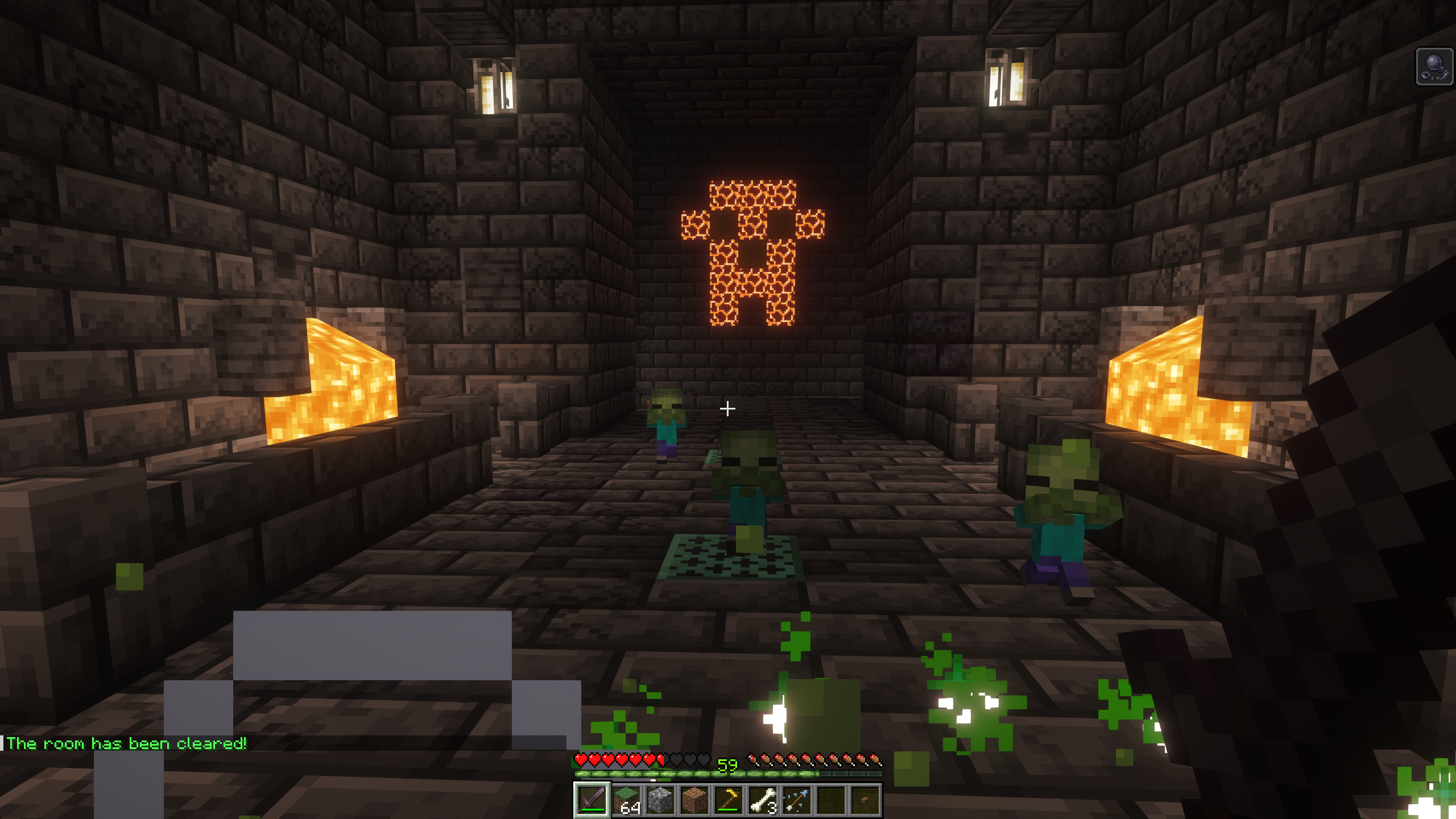
- Threat-Table AI & Telegraphed Encounters: Custom dungeon bosses feature distinct multi-phase fight mechanics, area-denial telegraphs, and mathematical threat tracking that rewards tactical positioning over raw stat checks.
- Companion Systems: Scripted companions assist solo explorers, dynamically responding to player threat tables, guarding bed/chest leases, and holding chokepoints during dungeon dives.
- Dungeon Delves: Deep underground complexes designed as methodical expeditions where resource depletion, gear durability, and retreat logistics must be calculated before stepping past the threshold.
5. Persistent Server Infrastructure & Telemetry Stack
Behind the world simulation sits an enterprise-grade telemetry and observability pipeline running alongside the Paper/Denizen core:
- MariaDB & REST Telemetry (npc_api): Live database logging tracking closed-loop server economies, transaction flows, block yields, and player dialogue history.
- Live Armory & Tactical Cartography: Web-driven player profiles and interactive Leaflet canvas chunk-map viewers pulling topography data straight from server region files.
- Desktop Administration: Custom terminal user interfaces (item_browser.py) built to monitor recipe tables, query item IDs, and handle live RCON operational maintenance without disrupting world continuity.